
We teach multiple weapon types at Niagara Historical Fencing. We teach these weapons by interpreting the original treatises, fencing manuals, and other relevant documents from the Medieval and Renaissance periods (14th to 16th century) as well as some sources that date up to the late 18th and 19th century. Our goal is to faithfully recreate these arts as close as possible to how these fencing masters would have trained their students in their own time.
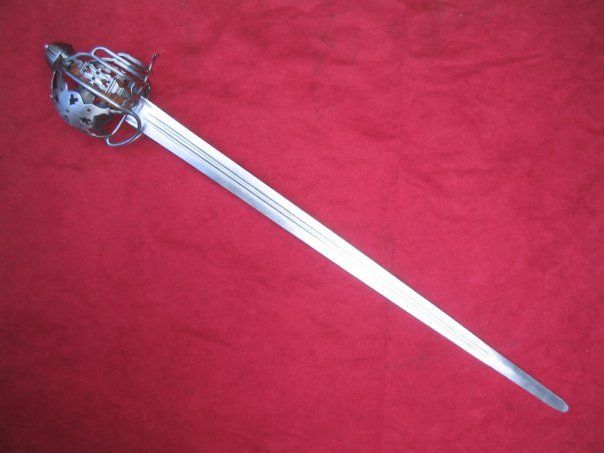
BROADSWORD
 |
| Description |
| The basket-hilted broadsword is a development of the 16th century, rising to popularity in the 17th century and remaining in widespread use throughout the 18th century, characterized by a basket-shaped guard that protects the hand. This weapon was primarily used by the Scottish people but saw widespread use across the British Isles. |
| Sources |
| Donald McBane (1728), Thomas Page (1746), Andrew Lonnergan (1771), Captain G. Sinclair (1790), Archibald MacGregor (1791), Henry Angelo (1798-99), John Taylor (1804), and Thomas Mathewson (1805) |
SABRE
 |
| Description |
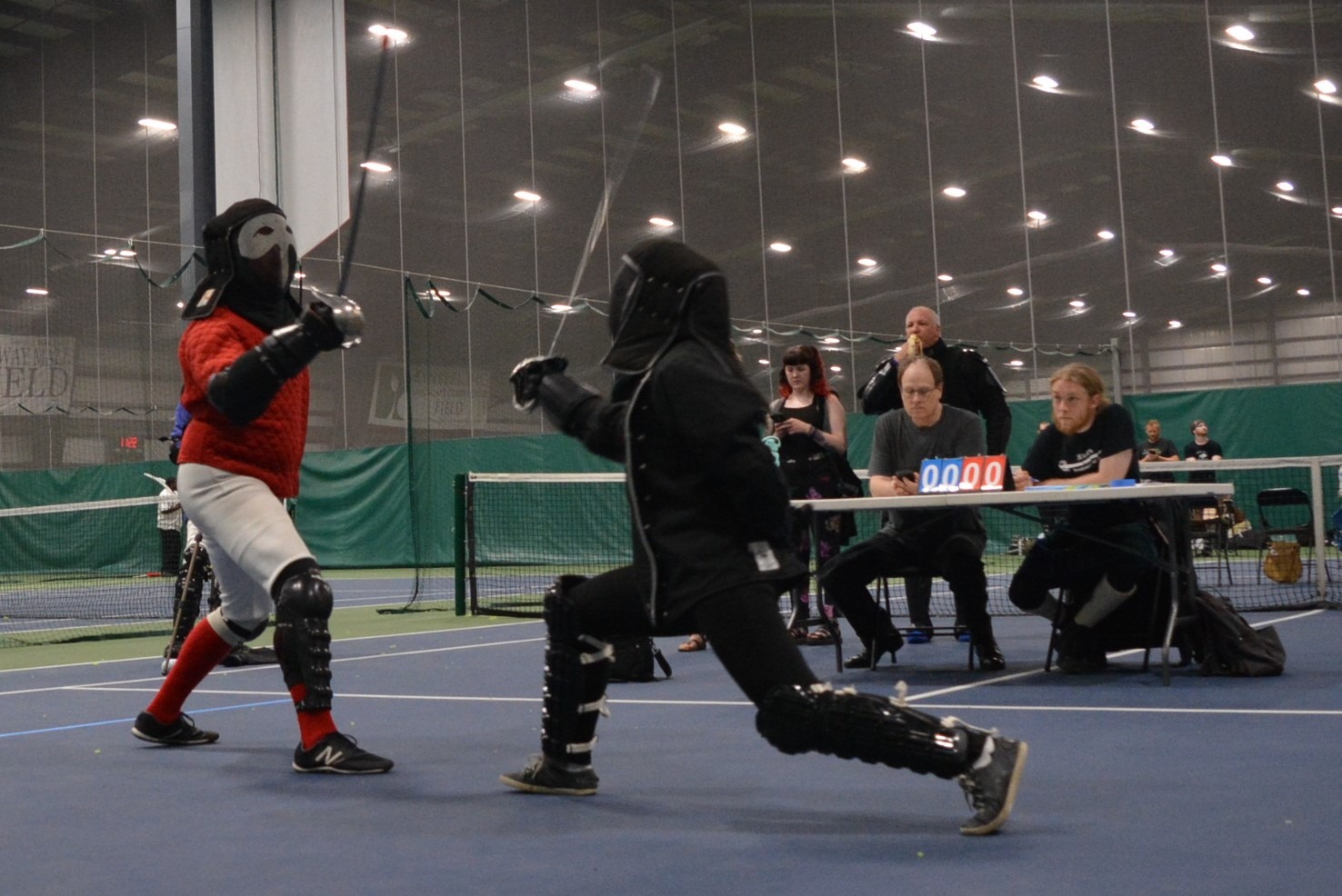
| A sabre is a type of sword with a curved blade usually associated with the light cavalry of the early modern and Napoleonic periods. Originally associated with Central European cavalry such as the hussars, the sabre became widespread in Western Europe in the Thirty Years’ War. Lighter sabres also became popular with infantry of the early 17th century. In the 19th century, models with less curving blades became common and were also used by heavy cavalry. |
| Sources |
| Alfred Hutton’s “Cold Steel: A Practical Treatise on the Sabre” (1889) and “Swordsman: A Manual Of Fence And The Defence Against An Uncivilised Enemy” (1891), “The Art of Defence on Foot with the Broad Sword and Sabre” by Charles Roworth and “Lessons in Sabre, Singlestick, Sabre & Bayonet, and Sword Feats” (1880) by John Musgrave Waite. |

LONGSWORD
 |
| Description |
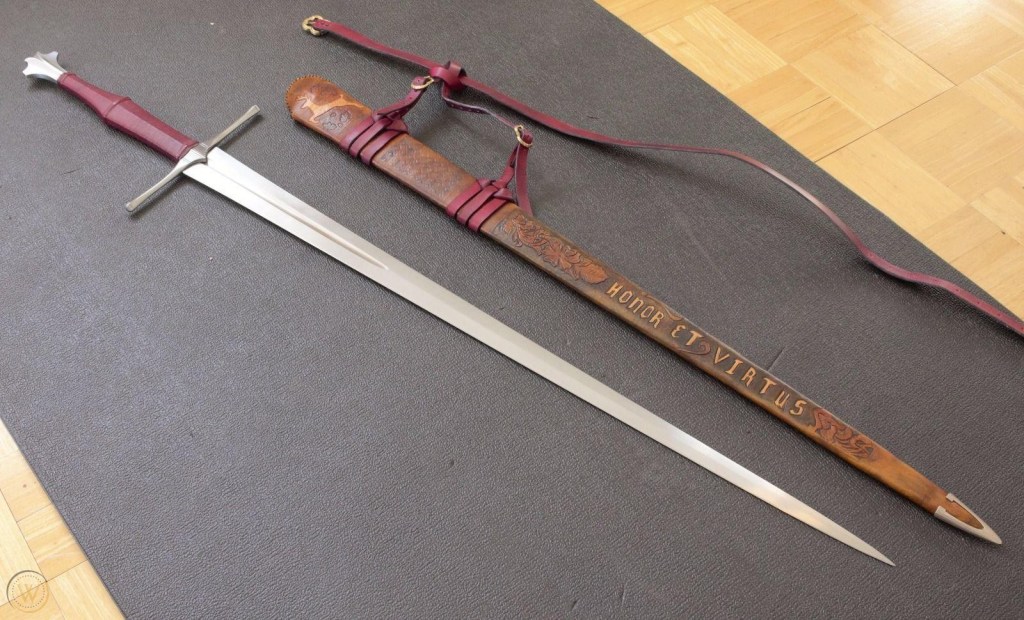
| A longsword is a type of European sword characterized as having a cruciform hilt with a grip for two-handed use, a straight double-edged blade of around 33 to 43 inches, and weighing approximately 2 to 3.5 pounds. |
| Sources |
| Our classes focus heavily on findings from German Fencing Masters Johannes Liechtenaur (14th Century) and Joachim Meyer (16th Century). |


 NIAGARA HISTORICAL FENCING